Here's how to recognise a real Pastoe
Pastoe is the archetypal Dutch furniture company, founded in 1913 by entrepreneur Frits Loeb. Initially, Pastoe was a furniture shop in Utrecht, but founder Frits Loeb soon decided to produce the chairs for his shop himself. The company went on to become an internationally recognised icon. In the late 1940s, designer Cees Braakman joined Pastoe, a name that is often found on Whoppah. Indeed, second-hand Pastoe furniture and Cees Braakman's creations are highly sought-after!

Sober, practical design
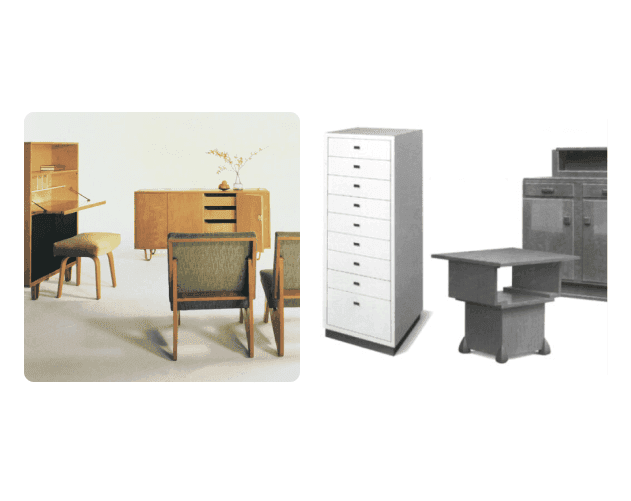
Over the years, Pastoe has been inspired by designers such as Charles & Ray Eames and Alvar Aalto. Sober, practical design is Pastoe's trademark. Right now, design lovers the world over are looking for the finest second-hand Pastoe furniture. After all, it's impossible to imagine our homes without Pastoe creations.
How do you recognise second-hand Pastoe furniture?
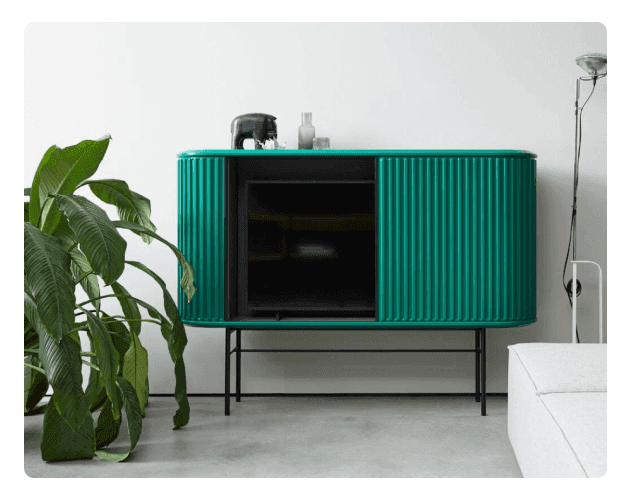
You can tell a genuine Pastoe by its design. Pastoe is the symbol of modest, almost sober and practical design. Pastoe's design language is simple: since the 1940s, Pastoe furniture has stood out for its simplicity. Thanks to its simple style and high quality, Pastoe furniture is a design classic.
One of Pastoe's best-known creations is the Amsterdammer. It was designed by Aldo van de Nieuwelaar in 1978. The cabinet is shaped like an Amsterdammertje: the Amsterdam street post. Other famous Pastoe creations are the cupboards and sideboards in the Japanese series, designed by Cees Braakman. In this collection, Pastoe has made extensive use of curved plywood covered with a teak veneer. There's something for everyone!